

მისაღებში ყველაფერი თითქოს თავის ადგილზეა – დივანი შერჩეულია, განათება სწორ განწყობას ქმნის, ყავის მაგიდა სივრცეს აწყობს, მაგრამ მაინც რაღაც აკლია. ხშირად ეს ბოლო დეტალი სწორედ ხელოვნური მცენარეები სახლის დეკორისთვის ხდება, რადგან ისინი ინტერიერს აძლევს სიღრმეს, რბილობას და დასრულებულ იერს მოვლის მუდმივი ვალდებულების გარეშე.
სწორად შერჩეული ხელოვნური მცენარე უბრალოდ დეკორი არ არის. ის სივრცის ტემპს არეგულირებს, მკაცრ ხაზებს აბალანსებს და ოთახს იმ სიმშვიდეს მატებს, რომელსაც ცარიელი კუთხე ან ზედმეტად სწორი კომპოზიცია ვერ ქმნის. ამიტომ მათი არჩევა მხოლოდ „ლამაზი ქოთნის“ პოვნა არ არის – საქმე ეხება მასშტაბს, ტექსტურას, ფერს და მთლიან ინტერიერულ სცენარს.
Why Artificial Plants Work for Home Decor
Modern interiors are often characterized by clean surfaces, sharp lines, and neutral tones. This aesthetic is elegant, yet it can sometimes become overly austere. A plant—even an artificial one—softens this severity, lending the room a warmer, more lived-in character.
The second reason is practical. Not everyone has the time, the right lighting conditions, or the desire to care for live plants on a daily basis. Especially in city apartments, where some rooms receive little natural light, an artificial version offers a far more realistic and convenient solution. It retains its shape, does not wilt or shed, and is not dependent on the season.
თუმცა აქ ერთი მნიშვნელოვანი დეტალია – იაფი და არაბუნებრივი ვიზუალის მქონე მოდელები ინტერიერს არაფერს მატებს. პირიქით, შეიძლება მთლიანად დაანგრიოს ის ხარისხის შთაბეჭდილება, რომელსაც ავეჯი, განათება და დეკორი უკვე ქმნის. პრემიუმ სივრცეში ხელოვნური მცენარე უნდა გამოიყურებოდეს დამაჯერებლად, მასალა კი ახლოდანაც ხარისხიანი უნდა ჩანდეს.
How to Choose Size and Shape
ყველაზე ხშირი შეცდომა მცენარის ზომაშია. ძალიან პატარა მცენარე დიდ ოთახში იკარგება, ხოლო ზედმეტად დიდი მოდელი სივრცეს ამძიმებს. არჩევისას მხოლოდ თავად მცენარეს ნუ უყურებთ – შეხედეთ იმ ზონას, სადაც ის უნდა მოთავსდეს.
If you want to fill an empty corner, a tall plant works best. It creates a vertical line between the floor and the ceiling, giving the room a more cohesive look. For this purpose, a ficus, an olive tree, a palm, or varieties with long, slender leaves are particularly effective.
თუ მიზანი კონსოლის, TV მაგიდის, სასადილო მაგიდის ან ყავის მაგიდის აქცენტირებაა, საშუალო ან მცირე ზომის კომპოზიცია უფრო სწორი არჩევანია. აქ უკვე სიმაღლეზე მეტად მნიშვნელოვანია ფორმა – გაშლილი, ჰაეროვანი ფოთლები ინტერიერს სიმსუბუქეს მატებს, ხოლო მჭიდრო და მკვეთრი სილუეტი უფრო თანამედროვე, გრაფიკულ ეფექტს ქმნის.
A simple way to gauge the right size is by applying the rule of proportion. The plant should "engage in a dialogue" with the furniture next to it, rather than competing with it. For instance, a miniature pot placed next to a massive sofa is insufficient, while an overly large arrangement atop a slender console table disrupts the visual balance.
Which style suits which interior
ყველა მწვანე ელემენტი ყველა ინტერიერში ერთნაირად არ მუშაობს. თუ სივრცე მინიმალისტურია, სუფთა ხაზებით და კონტროლირებული პალიტრით, უკეთ გამოიყურება მარტივი ფორმის მცენარე – ერთი გამოკვეთილი სილუეტით, ზედმეტი ვიზუალური ხმაურის გარეშე. აქ ხშირად საუკეთესო არჩევანია ზეთისხილის ტოტები, გრძელი ღეროები ან ერთფეროვანი, მოწესრიგებული ფოთლები.
თუ ინტერიერი უფრო რბილია – ტექსტილით, თბილი ხის ტონებით, მომრგვალებული ფორმებით – შეგიძლიათ აირჩიოთ უფრო მოცულობითი, ბუნებრივად „დაუმორჩილებელი“ მცენარე. ასეთი მოდელები სივრცეს სიმყუდროვეს მატებს და ნაკლებად ფორმალურ განწყობას ქმნის.
In a modern, premium interior, contrast also works effectively. For example, greenery truly comes to life when set against stone, ceramic, or glass surfaces. Therefore, an artificial plant is often the perfect companion for a dining area, a console table, or a well-lit corner—places where the interplay of textures becomes significant.
Placement that truly transforms an interior
A great plant in the wrong spot is practically invisible. In the right spot, however, it makes a greater impact than many other decorative items ever could.
In the living room, the most effective spots are the empty corner beside the sofa, the vertical space near the TV area, or a location close to a window—where the illusion of a natural scene is most compelling. Here, a plant doesn’t just fill the space; it completes the composition.
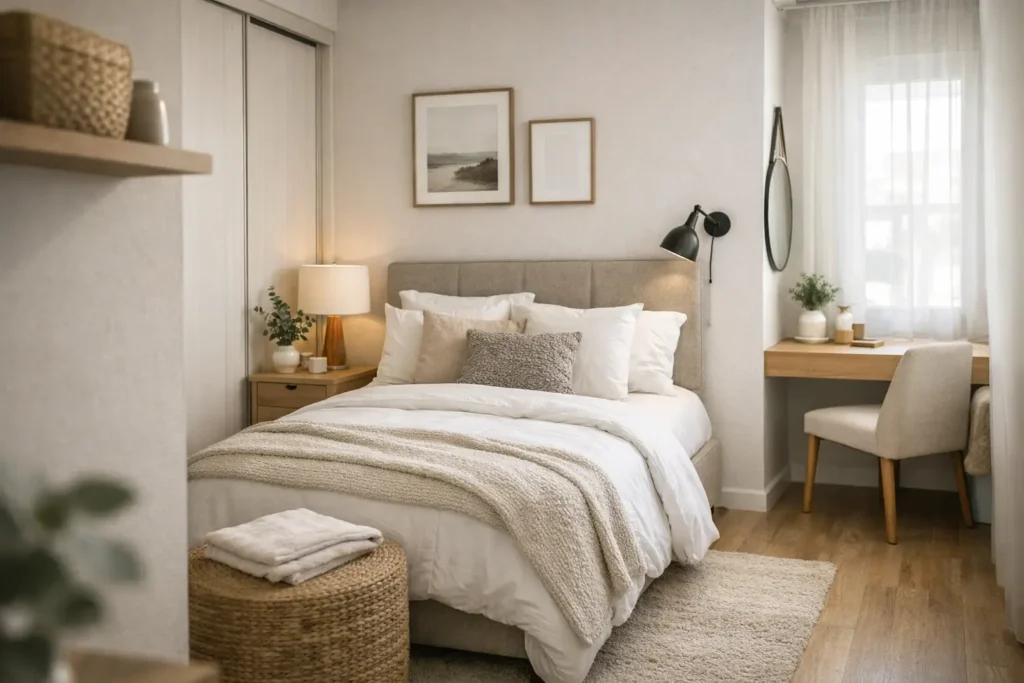
საძინებელში მცენარე უნდა იყოს უფრო მშვიდი ხასიათის. ზედმეტად დიდი და აგრესიული სილუეტი დასვენების ზონას არასაჭირო დრამატულობას აძლევს. უკეთ მუშაობს რბილი ფორმები, თბილი ქოთნები და ზომიერი სიმაღლე – მაგალითად, კომოდის გვერდით ან სარკესთან.
An artificial plant is particularly practical in an entryway. This is an area that often lacks sufficient natural light, yet the initial visual impression is crucial. A well-chosen plant here instantly lends the space a polished and sophisticated character.
In the dining area, you should pay attention to sightlines. If a plant is placed in the center of the table, it must not obstruct conversation. If positioned to the side, it can effectively tie the table, chairs, and lighting together into a cohesive scene.
The pot is just as important as the plant itself.
Often, the focus remains solely on the plant, while the pot is treated as a secondary detail. In reality, it is the pot that connects the decor to the flooring, furniture, and other materials. If a plant looks natural, but its pot appears cheap or randomly selected, the overall effect loses its sense of precision.
ნეიტრალური ინტერიერისთვის საუკეთესოა ტექსტურული, მატე ზედაპირები – კერამიკა, ქვის ეფექტი, ცემენტის იმიტაცია. ისინი სივრცეში ხარისხის განცდას ქმნის და მცენარეს უფრო დამაჯერებლად აჩენს. თუ ინტერიერი უფრო გლამურულია, შეიძლება იმუშაოს მუქმა მეტალმაც ან პრიალა დასრულებამ, მაგრამ აქ ბალანსია მნიშვნელოვანი, რათა შედეგი მძიმე არ გამოვიდეს.
The choice of color depends on whether you want contrast or seamless integration. Sometimes, the pot should blend into the background, allowing the plant to take center stage. At other times, the pot itself acts as a piece of decor, with the plant serving to highlight it.
How to identify a high-quality artificial plant
The first indicator is the tonality of the leaves. In nature, green is almost never uniform; therefore, a color that appears too flat or consistent looks unnatural. A high-quality piece incorporates multiple tones, subtle color transitions, and, at times, slight variations in texture.
The second factor is the shape. If every leaf is positioned identically, creating an overly perfect symmetry, the artificiality becomes immediately apparent. A high-quality artificial plant features slight irregularities, possesses a natural sense of movement, and retains a sense of depth even when viewed up close.
Third, consider the stems, branches, and base. Many buyers focus only on the upper part, yet it is precisely these details that reveal the true quality. A well-crafted structure should appear carefully finished, rather than looking like a cheap, hasty plastic imitation.
If your interior already features a striking sofa, durable dining chairs, sophisticated lighting, and well-curated decor, a low-quality artificial plant will simply not fit in. In such a space, every element should reflect a consistent level of aesthetic quality.
They require almost no maintenance, but they still deserve some attention.
One of the primary advantages of artificial plants is their low-maintenance nature; however, this does not mean they require no care at all. Dust accumulates most quickly on the leaves; if you don’t clean them in time, even the most realistic-looking model will end up looking tired.
All that’s required is occasional light cleaning, adjusting the shape, and keeping the area around the pot tidy. If the plant is placed near a window or in a sunny spot, the quality of the material becomes especially important, as lower-quality materials tend to lose their color over time.
აქაც მოქმედებს იგივე პრინციპი, რაც მთელ ინტერიერში – ნაკლები, მაგრამ უკეთ შერჩეული დეტალი ყოველთვის უფრო ძლიერ შედეგს იძლევა, ვიდრე ბევრი შემთხვევითი ნივთი.
When to Choose Artificial Plants
There are interiors where a living plant is the ideal choice. However, there are many scenarios where an artificial plant is objectively the more sensible option—for instance, if you travel frequently, if your apartment lacks natural light, if you prefer a consistently neat and polished look, or if the space serves a more formal or representative function rather than being a setting for daily gardening.
ამიტომ კითხვა ხშირად არ არის „ნამდვილი ჯობია თუ ხელოვნური“. სწორი კითხვა არის – რა სჭირდება თქვენს სივრცეს, თქვენს რეჟიმს და იმ ესთეტიკას, რომელსაც სახლში ქმნით. სწორედ აქ ჩანს ინტერიერული გადაწყვეტილების ხარისხი.
In a space like LUMOS—where furniture, lighting, and decor are perceived as a unified whole—an artificial plant serves not merely as an accessory, but as a connecting element. It brings a sense of life to a room while ensuring the overall composition remains entirely controlled.
საბოლოოდ, ყველაზე კარგი არჩევანი ის მცენარეა, რომელიც ოთახს უბრალოდ არ ავსებს, არამედ მის ხასიათს ზუსტად ასრულებს. როცა სიმაღლე, ტექსტურა, ქოთანი და განთავსება ერთმანეთთან თანხვედრაშია, სივრცე უფრო სრულად გამოიყურება – და სწორედ მაშინ გრძნობ, რომ ოთახმა თავისი დაკარგული ნაწილი იპოვა.





Leave a Reply